To Kill a Mockingbird Audiobook & Text to Speech Guide (2026) — Harper Lee's 40M-Copy Pulitzer-Winning Sissy-Spacek-Narrated Civil-Rights Literary-Classic Phenomenon
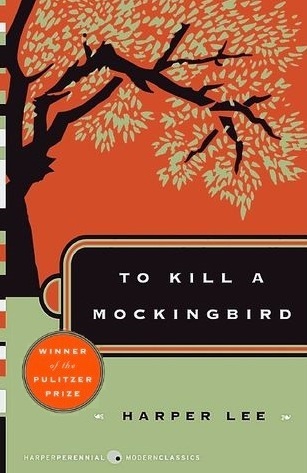
To Kill a Mockingbird — Harper Lee
First published: July 11, 1960 · J.B. Lippincott & Co.
Pages: 281 (paperback)
Goodreads: 4.26★ (6.98M+ ratings) · view
Audiobook runtime: ~12h 17m · narrated by Sissy Spacek (HarperAudio)
Commercial scale: 40M+ global sales · 1961 Pulitzer Prize for Fiction · $13M Gregory Peck 1962 film (3 Oscars) · 60+ year U.S. school-curriculum canon
Cultural impact: Defining 20th-century American civil-rights-era moral-education classic · Harper Lee's single-novel-legacy stature · Audie Award 2007 Literary Fiction
The 20th-century's most-assigned civil-rights-era American literary classic — 40 million copies sold, 1961 Pulitzer Prize winner, 60+ years of U.S. school-curriculum canonical status, and Sissy Spacek's Audie-Award-winning Alabama-register canonical audiobook performance. Skip the Libby wait with Kindle + free CastReader AI TTS →
To Kill a Mockingbird is Harper Lee's 1960 civil-rights-era literary-classic phenomenon — the 281-page novel where 6-9-year-old Scout Finch, her brother Jem, and their friend Dill Harris pursue their Boo-Radley obsession in Depression-era 1933-35 Maycomb, Alabama while Scout's widowed attorney father Atticus defends Tom Robinson, a Black man falsely accused of assaulting Mayella Ewell — a coming-of-age-and-courtroom-drama braided novel that won the 1961 Pulitzer Prize and became the most-assigned 20th-century American literary text. Mockingbird has sold 40+ million copies globally, generated Robert Mulligan's Oscar-winning 1962 Gregory Peck film (AFI's #1 Greatest Film Hero of all time), and held U.S. school-curriculum canonical status for 60+ years. The 4.26★ Goodreads rating across 6,976,449+ ratings places it among the most-rated classic-literature titles of the 20th century. At 12h 17m with Sissy Spacek's 2007 Audie-Award-winning HarperAudio narration — the most canonically-celebrated literary-classic audiobook production in the commercial catalog — To Kill a Mockingbird is the genre-defining American-civil-rights-classic primary-source text.
This guide covers the 12h 17m runtime, Spacek's canonical Alabama-register narration, school-curriculum-aware listening patterns, and every free / paid path.
Why 12h 17m Matters for American Classic Literature
American-classic literary-canon audiobook runtime benchmark.
| Title | Runtime | Year | Goodreads rating |
|---|---|---|---|
| To Kill a Mockingbird (Lee) — this book | 12h 17m | 1960 | 4.26★ |
| The Great Gatsby (Fitzgerald) | 4h 49m | 1925 | 3.93★ |
| The Adventures of Huckleberry Finn (Twain) | 10h 11m | 1884 | 3.83★ |
| The Grapes of Wrath (Steinbeck) | 21h 4m | 1939 | 4.02★ |
| Beloved (Morrison) | 11h 2m | 1987 | 3.90★ |
| Of Mice and Men (Steinbeck) | 3h 12m | 1937 | 3.90★ |
| Invisible Man (Ellison) | 18h 35m | 1952 | 3.99★ |
Mockingbird sits at the American-classic median runtime, paced for the dual-plot Scout-coming-of-age and Tom-Robinson-courtroom structure. At 12h 17m, the novel reads comfortably across a week of commute listening or a weekend at 1.5x.
Three Listening Modes
Mode 1 — Canonical Audio (HarperAudio, Sissy Spacek). $19.95 Audible credit or library-borrow via Libby. Spacek's 2007 Audie-Award-winning performance is the consensus definitive Mockingbird audio.
Mode 2 — Free Library Audio (Libby / Hoopla). 0-2 week wait in U.S. metros — extreme library-copy counts given school-curriculum and book-club institutional demand.
Mode 3 — Kindle + AI TTS (CastReader). $5-9 Kindle purchase + free AI TTS for unlimited re-listens. Ideal for school-study, book-club, or classic-rediscovery re-reads.
Platform-by-Platform Breakdown
Option A — Audible (canonical production)
The HarperAudio Sissy Spacek edition is the single commercially-celebrated Mockingbird audiobook. 12h 17m. One Audible credit ($14.95/mo plan) or $29.95 a la carte. Spacek's Alabama-register first-person Scout voice, Atticus-courtroom delivery, and multi-character Southern-dialect dialogue range won the 2007 Audie Award for Literary Fiction and represent peak literary-classic audiobook craft. Canonical first-listen is the universal recommendation for this title.
Option B — Libby (free via library card)
Libby stocks To Kill a Mockingbird with 0-2 week waits as of April 2026 — the 1960 classic has universal library-catalog coverage and extreme copy counts given U.S. school-curriculum and book-club demand, so holds move fast. OverDrive MP3 or Libby-app streaming. Fully free with a U.S. public-library card.
Option C — Spotify Premium (15-hour monthly allocation)
Spotify Premium subscribers ($11.99/mo) can listen within the 15-hour monthly audiobook allocation. At 12h 17m, Mockingbird consumes ~82% of a single month — leaves ~2h 43m for a short companion title. Reasonable value for Premium subscribers.
Option D — Kindle + CastReader AI TTS
$5-9 for the Kindle edition (frequently discounted to $3-5; occasional Kindle Unlimited rotation). Pair with CastReader free AI TTS for unlimited re-listens at adjustable pace. Best economic case for school-curriculum study or classic-rediscovery re-reads requiring passage-level re-engagement.
TTS Settings for To Kill a Mockingbird
| Setting | Recommended value | Notes |
|---|---|---|
| Voice | Female, Southern-register mellow | Match Spacek's Alabama Scout voice; adult-female register suits the first-person-retrospective narrator |
| Speed | 1.0-1.25x first listen; 1.5x re-listens | Courtroom scenes reward 1.0x |
| Pronunciation overrides | Maycomb, Calpurnia, Atticus, Jem, Boo Radley, Mayella Ewell, Aunt Alexandra | Configure once in CastReader; persists |
| Chapter markers | Enable | 31 chapters benefit from navigation |
| Auto-page-turn | Enable | 281 pages handle cleanly |
Content Considerations
To Kill a Mockingbird contains on-page content including: depictions of 1930s American-South racial dynamics and racial-slur dialogue (period-accurate, not authorial voice), a false rape accusation and trial, implied incest (Mayella's father Bob Ewell), attempted assault on children, a death in the concluding act, and sustained treatment of Depression-era poverty and racism. The novel is widely read in U.S. middle-and-high-school contexts (8th-10th grade standard curriculum); some U.S. school districts have in recent years reconsidered the novel's curriculum status given contemporary discourse about racial-slur content and white-savior narrative-framework critiques. Listeners engaging the novel in 2026 do so informed both by its 1961 Pulitzer-Prize-winning canonical literary status and by ongoing contemporary critical discussion — both layers are part of the current reading experience. Harper Lee's biographical context — single-novel-legacy author who withdrew from public life from 1964 to her 2016 death — adds unusual authorial-mystique to the reading.
Buying & Borrowing Links
- Audible (HarperAudio, Sissy Spacek, 12h 17m) — $29.95 a la carte or one credit
- Libby — free with U.S. library card, 0-2 week wait
- Hoopla — free with library card, instant lend
- Spotify Premium — within 15-hour monthly allocation
- Kindle — $5-9 (frequent $3-5 promos; occasional Kindle Unlimited rotation)
- Kindle + CastReader — $5-9 one-time + free AI TTS for unlimited re-listens
Related Reading
- American-classic peer set — The Great Gatsby (Fitzgerald), The Adventures of Huckleberry Finn (Twain), The Grapes of Wrath (Steinbeck), Of Mice and Men (Steinbeck), The Catcher in the Rye (Salinger)
- Civil-rights-era literary peer set — Beloved (Morrison), Invisible Man (Ellison), The Bluest Eye (Morrison), A Raisin in the Sun (Hansberry), Go Tell It on the Mountain (Baldwin)
- Southern-literary peer set — Gone with the Wind (Mitchell), A Time to Kill (Grisham), The Color Purple (Walker), As I Lay Dying (Faulkner)
- School-curriculum classic peer set — 1984 (Orwell), Animal Farm (Orwell), Lord of the Flies (Golding), The Catcher in the Rye (Salinger)
For listeners researching 20th-century American civil-rights-era literature, Pulitzer-Prize-winning fiction, or school-curriculum-canon classics, To Kill a Mockingbird is the essential primary-source text — 40M+ copies, 60+ years of curriculum status, and Harper Lee's single-novel-legacy writer stature combine to make it one of the most-universally-shared literary works of the 20th century.
The 20th-century's most-assigned American civil-rights literary classic — Harper Lee's Pulitzer-winning Scout-Finch-narrated Maycomb, Alabama coming-of-age-and-courtroom novel has defined 60+ years of U.S. school-curriculum canon and remains a touchstone for American literary study. At 12h 17m with Sissy Spacek's 2007 Audie-Award-winning HarperAudio canonical narration, To Kill a Mockingbird rewards first-listen via Audible or Libby for the definitive Spacek production, then Kindle + CastReader for school-study or book-club re-listens at flexible pace.
