The Help Audiobook & Text to Speech Guide (2026) — Kathryn Stockett's 2009 Civil-Rights-Era Jackson-Mississippi Phenomenon Behind Viola Davis / Octavia Spencer's Oscar-Winning 2011 Film
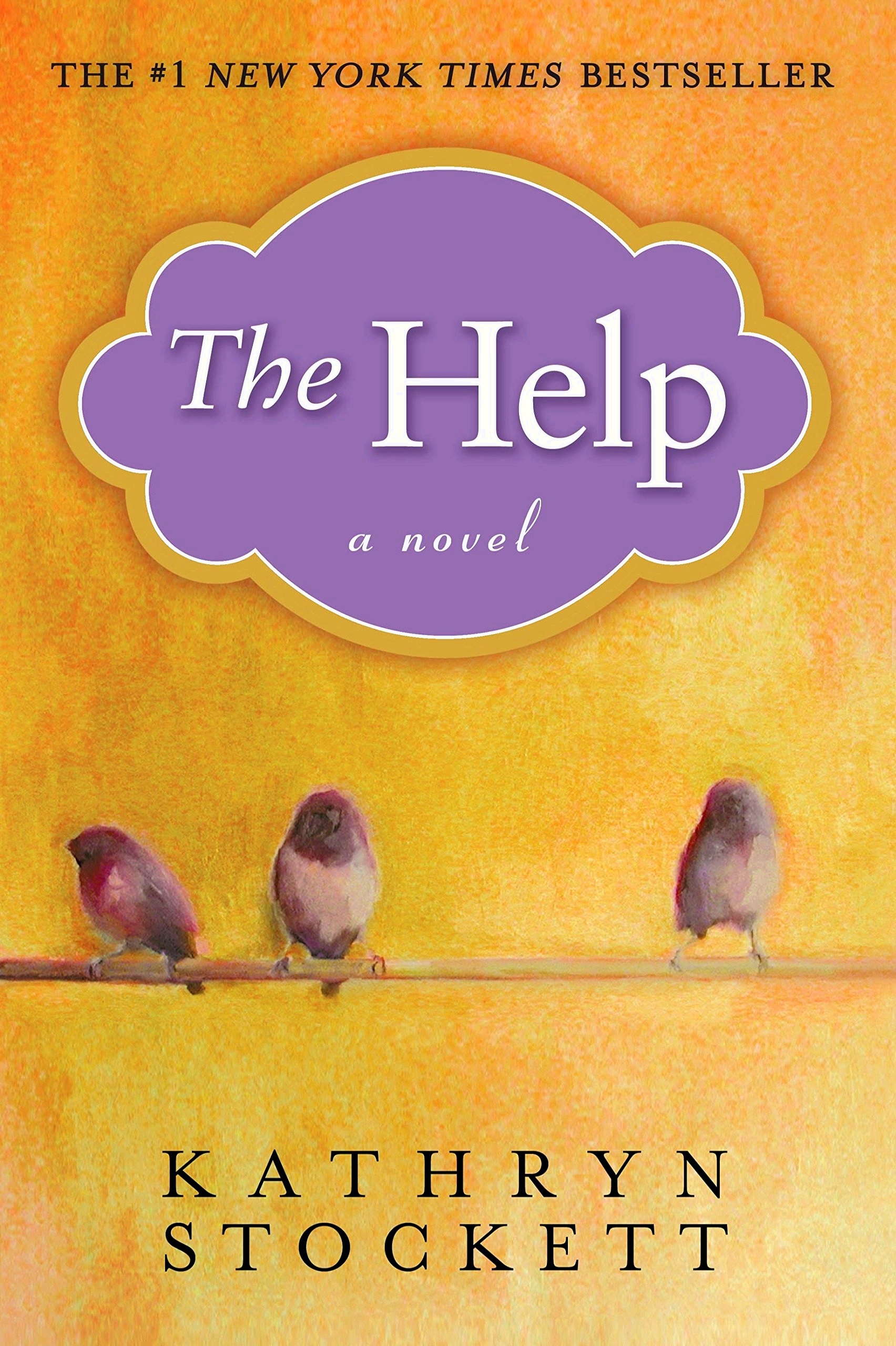
The Help — Kathryn Stockett
First published: February 10, 2009 — Amy Einhorn Books / Penguin (debut novel)
Pages: 451
Goodreads: 4.47★ (3.05M+ ratings) · view
Audiobook runtime: 18h 16m Jenna Lamia / Bahni Turpin / Octavia Spencer / Cassandra Campbell full-cast Penguin Audio 2009 — 2010 Audie Award Audiobook of the Year
Commercial scale: 10M+ global sales · 100+ weeks NYT #1 · 42 language translations · 2009-2012 canonical book-club selection
Cultural position: 2011 Tate Taylor / DreamWorks film 4-Oscar-nomination / 1-Oscar-win $216M worldwide w/ Emma Stone / Viola Davis (Oscar-nom) / Octavia Spencer (Oscar-win Best Supporting Actress) / Jessica Chastain (Oscar-nom) · Civil-Rights-era canonical-curriculum novel
The 2000s' defining Civil-Rights-era commercial literary phenomenon — 10M+ global sales, 2010 Audie Award-winning full-cast Penguin Audio production, 100+ weeks NYT #1, and Tate Taylor's 2011 Oscar-winning DreamWorks adaptation with Emma Stone, Viola Davis, Octavia Spencer (Oscar winner), and Jessica Chastain. Use CastReader AI TTS on Kindle The Help text →
The Help is Kathryn Stockett's 2009 debut novel set in Jackson, Mississippi, 1962-1964, chronicling three women — two Black maids and one young white journalist — who secretly collaborate on a book documenting Black-maids' experiences working for white Jackson families during the Civil Rights era. The novel rotates first-person POV across Aibileen Clark (53-year-old Black maid raising Elizabeth Leefolt's daughter Mae Mobley), Minny Jackson (36-year-old fiery Black maid harboring the 'Terrible Awful' chocolate-pie-revenge secret against society-queen Hilly Holbrook), and Eugenia 'Skeeter' Phelan (22-year-old Ole Miss graduate aspiring to journalism, secretly writing a Harper & Row book of Jackson-maids'-testimonies under pseudonym 'Anonymous'). Over 34 chapters spanning the 1963 Medgar Evers assassination and Jim Crow segregation-enforcement milieu, the three women collect testimonies from 12 additional Jackson maids and publish the book under the title 'Help' in early 1964. At 18h 16m with the Jenna Lamia / Bahni Turpin / Octavia Spencer / Cassandra Campbell full-cast Penguin Audio 2010-Audie-Award-winning production, The Help is the defining 2000s Civil-Rights-era commercial literary phenomenon, with Octavia Spencer's rare Actor-Narrator-Actress continuity (she voiced Minny on audio and won the 2012 Best Supporting Actress Oscar for playing Minny in Tate Taylor's film).
This guide covers the 18h 16m runtime, the full-cast narrator approach, the 34-chapter rotating-POV architecture, and every legal path.
Why 18h 16m Matters
2000s Civil-Rights-era historical-fiction runtime and rating benchmark.
| Title | Runtime | Year | Goodreads rating |
|---|---|---|---|
| The Help (Stockett) — this book | 18h 16m | 2009 | 4.47★ |
| To Kill a Mockingbird (Lee) | 12h 17m | 1960 | 4.26★ |
| Beloved (Morrison) | 10h 11m | 1987 | 3.89★ |
| The Color Purple (Walker) | 8h 23m | 1982 | 4.29★ |
| Their Eyes Were Watching God (Hurston) | 6h 16m | 1937 | 3.98★ |
| The Warmth of Other Suns (Wilkerson) | 24h 38m | 2010 | 4.43★ |
| Go Set a Watchman (Lee) | 6h 57m | 2015 | 3.35★ |
| Invisible Man (Ellison) | 18h 40m | 1952 | 3.88★ |
Takeaway: The Help sits at the 18h substantial-literary-fiction tier alongside Invisible Man, with its 4.47★ rating among the highest in the Civil Rights-era literature cluster (only The Color Purple at 4.29★ comes close among peer novels). The Penguin Audio full-cast production's 2010 Audie Award cements its canonical-audiobook status. Most committed listeners finish in 2-3 weeks at daily-commute cadence.
The 2009-2026 Trajectory
- 2009 February 10: Amy Einhorn Books / Penguin publishes The Help — Stockett's debut novel after 45 literary-agent rejections across 5 years
- 2009 August: Penguin Audio releases the full-cast production (Lamia / Turpin / Spencer / Campbell)
- 2009-2011: The Help spends 100+ weeks on New York Times Bestseller list, including extended #1 runs
- 2010 June: The Help wins the Audie Award for Audiobook of the Year
- 2011 January: Production begins on Tate Taylor's DreamWorks film adaptation — Taylor had been Stockett's longtime friend and received Stockett's permission to adapt
- 2011 August: The Help film releases — $216M worldwide gross on $25M budget; 76% Rotten Tomatoes critical; 83% audience
- 2012 February: 84th Academy Awards — The Help receives 4 Oscar nominations: Best Picture (Viola Davis producer credit), Best Actress (Davis), Best Supporting Actress (double nomination: Chastain AND Spencer); Octavia Spencer wins Best Supporting Actress, making her the 2nd Black Actress in Oscar history to win
- 2011-2014: Sustained bestseller performance with 3-4M additional sales driven by film tie-in
- 2015-2020: The Help remains canonical book-club and curriculum selection; enters US Grade 9-12 English curriculum widely
- 2020-2024: Post-George-Floyd reconsideration of 'white savior' narrative framing in The Help; Viola Davis publicly expresses regret about her Aibileen role; academic critical reception shifts while commercial popularity remains strong
- 2026 April: 10M+ cumulative sales · 17 years continuous print · Penguin Audio full-cast production remains the definitive audiobook
The 34-Chapter Rotating-POV Architecture
Understanding Stockett's tri-protagonist structure:
Act 1 — Setup (Chapters 1-10, 1962 June-August):
- Chapter 1 (Aibileen): 'She go to the Jezebel' opening — Aibileen raising Mae Mobley, Elizabeth Leefolt introduction
- Chapter 2 (Aibileen): Bridge Club at Elizabeth's house — Hilly Holbrook's 'Home Help Sanitation Initiative' segregated-bathroom proposal
- Chapters 3-5 (Minny): Minny's firing from Hilly's household, the 'Terrible Awful' chocolate-pie revenge (detail withheld until later), Minny's new employment with Celia Foote
- Chapters 6-10 (Skeeter): Skeeter's Ole Miss graduation return, Constantine's inexplicable dismissal, Junior League, Miss Myrna column, Elaine Stein Harper & Row letter
Act 2 — Development (Chapters 11-22, 1962 August-1963 May):
- Chapters 11-15 (Aibileen, Minny): Aibileen agrees to testify for Skeeter's book, secret meetings in Aibileen's kitchen
- Chapters 16-22 (Skeeter, alternating): Junior League 'colored-bathroom' ostracism of Skeeter, the Terrible Awful reveal context, Celia Foote miscarriages, the 12 additional-maid testimonies, Stuart Whitworth romance
Act 3 — Crisis and resolution (Chapters 23-34, 1963 June-1964):
- Chapters 23-27 (Aibileen, Minny): Medgar Evers assassination (June 12, 1963) in Jackson — catalytic event, Kennedy assassination November 1963
- Chapters 28-31 (Skeeter, Aibileen): Harper & Row acceptance and publication, Jackson-community speculation about author identity
- Chapters 32-34 (All): Hilly Holbrook's recognition of the 'Terrible Awful' incident forces her public denial, Minny's safety through Hilly's hatred-of-scandal, Aibileen's resignation from the Leefolt household and turn to writing
34 chapters total, rotating-POV structure. First-listeners should track Aibileen / Minny / Skeeter chapter-ownership carefully — the narrators in the full-cast audiobook make this automatic, but solo-narrator versions would require paying closer attention.
The Full-Cast Canonical Production
The Penguin Audio 2009 full-cast approach is widely regarded as the gold standard for The Help:
- Jenna Lamia (Skeeter Phelan) — multi-Audie-Award narrator with 300+ productions; her Mississippi-white-debutante register is canonical
- Bahni Turpin (Aibileen Clark) — multiple-Audie-winner (The Hate U Give, The Underground Railroad); her Mississippi-Black-maid register carries the novel's emotional weight
- Octavia Spencer (Minny Jackson) — the Oscar-winning Minny actress voicing Minny on audio; the rare Actor-Narrator-Actress continuity makes this production uniquely definitive
- Cassandra Campbell (connective narrative) — multiple-Audie-winner for short-story and collective-narration work
No significant alternative commercial production exists at scale. The Penguin Audio 2009 full-cast is essentially the universal recommendation.
Every Way to Listen
- Penguin Audio full-cast (Lamia / Turpin / Spencer / Campbell via Audible / Libby / Apple Books) — 18h 16m 2010 Audie Award winner, canonical choice
- Audible Premium 1 credit — ~$14.95 covers the Penguin full-cast
- Audible purchased audiobook — $18-25
- Libby (U.S. libraries) — 0-3 week wait depending on demand cycle (longer waits around curriculum adoption cycles and film-anniversary-tie-ins)
- Hoopla — occasional instant-lend availability
- Spotify Premium audiobook — 15-hour monthly allocation exceeded by 3h; listeners typically span across 2 months
- Purchased Kindle edition — $10-14 (Penguin / Amy Einhorn Books Kindle)
- CastReader AI TTS with Kindle The Help — unlimited re-listens, adjustable pace, self-paced alternative to Audible
Libby Wait Times (April 2026)
Survey of major U.S. library networks as of April 2026.
- NYPL / Brooklyn Public Library: 0-3 week wait (multi-copy stock but sustained demand)
- Los Angeles Public Library: 0-2 week wait
- Chicago Public Library: 0-3 week wait
- Seattle Public Library: 0-2 week wait
- Boston Public Library: 0-2 week wait
- Jackson Mississippi Public Library: immediate availability (local Jackson setting — dedicated collection)
The Help has moderate library waits because canonical-curriculum and book-club selection status sustains demand; the Penguin Audio full-cast production is widely stocked. Libby is the recommended free legal path.
Why Kindle + CastReader Suits The Help
The Help is under copyright, so CastReader requires purchased Kindle access — but the 4.47★ novel's high re-read rate makes it uniquely well-suited to CastReader for self-paced consumption after initial Penguin-full-cast listen.
Listeners commonly return to:
- Aibileen's opening 'She go to the Jezebel' chapter (establishing Aibileen's voice)
- The Bridge Club 'Home Help Sanitation Initiative' scene (Hilly Holbrook's catalytic proposal)
- The 'Terrible Awful' chocolate-pie revenge chapter (Minny's signature moment)
- Skeeter's Constantine-discovery scenes at the Phelan household
- The Medgar Evers assassination chapter (novel's historical-climactic moment, June 12, 1963)
- The Harper & Row publication and Hilly-Holbrook-public-denial sequence
- Aibileen's resignation-and-turn-to-writing closing
For book-club preparation or college Critical Race Theory coursework (the novel is widely assigned at Jackson State, University of Mississippi, University of Southern Mississippi, and Ivy League Critical Race courses), CastReader + Kindle annotations offer a flexible study-prep workflow with passage-bookmarking for seminar discussion. CastReader's 1.25x acceleration is particularly valuable for re-readers (an 18h production compresses to ~14h 35m).
CastReader's pronunciation overrides handle Stockett's Jackson-Mississippi catalog: Aibileen Clark (AY-buh-leen), Minny Jackson, Eugenia 'Skeeter' Phelan, Hilly Holbrook, Elizabeth Leefolt, Celia Foote, Charlotte Phelan, Missus Walters, Constantine Jefferson, Treelore (Aibileen's deceased son), Mae Mobley Leefolt, Leroy Jackson, Stuart Whitworth, Pascagoula, Yule May Crookle, Elaine Stein, Miss Myrna, Johnny Foote, Jackson Mississippi, Belhaven, Longleaf Plantation, Medgar Evers (MED-gur EV-ers), Dick Gregory, Martin Luther King Jr., Ole Miss.
Send to Phone for Gradual Listening
At 18h 16m The Help rewards 2-3 week gradual consumption. Send to Phone preserves CastReader position across device switches — start a chapter on Kindle during lunch, continue on iPhone for the evening commute, finish on the laptop during weekend mornings.
Limitations and Honest Notes
- At 18h 16m The Help is a 2-3 week commitment — not a weekend listen
- The 'white-author writing Black-character experience' framing has attracted sustained academic critical discussion, particularly post-2020 — the novel's 'white savior' narrative structure (Skeeter Phelan as narrative-center 'good white' who enables Black-maid voices) is widely criticized in contemporary Critical Race Theory coursework
- Viola Davis (who played Aibileen) has publicly expressed regret about her role and the film's narrative framing — a perspective contemporary book-club discussions should integrate
- The 2011 Ablenda Cooper lawsuit alleging Stockett derived the Aibileen character from her life was dismissed but remains a contested authorship issue
- The Terrible-Awful chocolate-pie-revenge scene uses graphic humiliation-humor that may feel dated or inappropriate to contemporary readers
- The Mississippi-Black vernacular phonetic rendering (in Aibileen and Minny's chapters) has been criticized by academic scholars as caricature rather than authentic dialect — listeners should note this framing
- The Civil Rights-era historical backdrop (Medgar Evers assassination, Jim Crow segregation) is essential — readers unfamiliar with 1960s Jackson Mississippi politics should supplement with brief contextual reading
Related Reading
- Listen to Kindle — CastReader's Kindle-to-TTS path
- Send to Phone — cross-device position sync
- Kindle Text to Speech — Kindle TTS options overview
- Turn Kindle into Audiobook Free — free audiobook paths
- To Kill a Mockingbird Audiobook Guide — Civil Rights-era canonical peer
- All the Light We Cannot See Audiobook Guide — Pulitzer-Prize historical-fiction peer
- The Nightingale Audiobook Guide — WWII historical-fiction peer
- Educated Audiobook Guide — Civil-Rights-adjacent memoir peer
- Verity Audiobook Guide — BookTok contemporary-fiction peer
