The Body Keeps the Score Audiobook & Text to Speech Guide (2026)
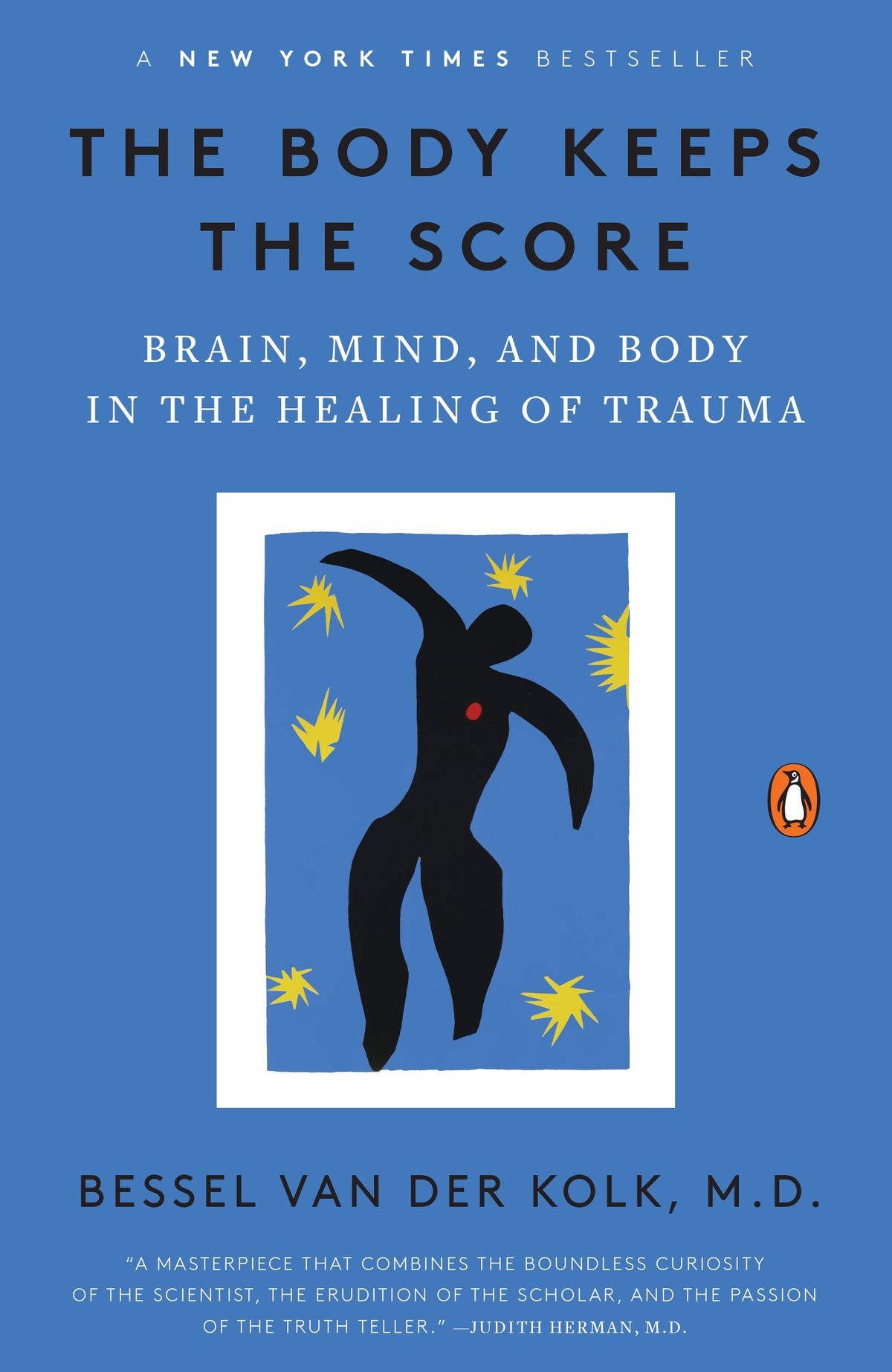
The Body Keeps the Score — trauma & the brain
Author: Bessel van der Kolk, M.D.
Published: September 25, 2014 · Viking / Penguin
Pages: 464
Goodreads: 4.34★ (292K+ ratings) · 500+ weeks on NYT nonfiction bestseller — view
Audiobook: ~16h 14m · narrated by Sean Pratt
Already have the Kindle edition for reference? CastReader reads specific chapters aloud for study sessions — unlike linear audiobook playback →
Non-fiction audiobooks have a different listening mode than novels. A novel rewards continuous playback; a dense psychology text like The Body Keeps the Score rewards chapter-by-chapter study. This guide treats the book accordingly — the 16-hour Sean Pratt audiobook is the canonical first listen, but for serious study, Kindle TTS on specific chapters is often the better tool.
Content note: the book contains extended trauma case studies. The audiobook format — especially in cars or public spaces — can be emotionally activating in ways the print format isn't. Listening in safer environments (home, with breaks) is worth noting up front.
Three Listening Modes — Match to Your Reason for Reading
Unlike fiction, The Body Keeps the Score splits into three distinct reader use-cases:
- First listen — understand the material — Audible audiobook, Sean Pratt narration, linear top-to-bottom. Usually spread across 4–6 weeks with breaks. Libby free, or one Audible credit ($17.99 trial). Do this first even if your end goal is professional or clinical study.
- Professional study — psychology/therapy context — Kindle edition + CastReader for chapter-specific listen, plus the print edition for diagrams and footnote cross-reference. Skip around based on what you're treating or studying.
- Personal work, therapist-supported — Libby borrow, listen slowly (one chapter per week), pair with therapy sessions. Audiobook is better than Kindle TTS for this mode because Sean Pratt's measured delivery helps pace emotional material.
Below: device-by-device setups. TTS tuning specific to clinical case studies. Apple Books, Paperwhite, EPUB, and library paths.
About The Body Keeps the Score
Bessel van der Kolk, M.D., is a Boston-based psychiatrist who has spent his career studying trauma — Vietnam veterans in the 1970s and 1980s, childhood abuse survivors, first responders, sexual violence survivors. The Body Keeps the Score is his synthesis of forty years of clinical work: how traumatic experience gets stored in the brain and body, why traditional talk therapy often fails for trauma, and what treatment approaches (EMDR, neurofeedback, yoga, theater, psychedelic-assisted therapy) have been validated by research.
The book's argument — that trauma is stored somatically, not just cognitively — was contested when the book appeared in 2014 and has become increasingly mainstream in the decade since. Van der Kolk uses neuroimaging research, clinical case studies, and treatment outcome data to build the case. The writing is accessible to general readers but doesn't simplify the neuroscience; expect to occasionally Google specific terms if you don't have a clinical background.
The book has been on the New York Times nonfiction bestseller list continuously for over 500 weeks since 2015 — longer than almost any other non-fiction title of the 2010s. Its TikTok resurgence (2021–2022 as #BodyKeepsTheScore) introduced it to a younger audience, and library borrowing has remained high.
How to Listen to The Body Keeps the Score — Every Platform
Option 1: Audible (Sean Pratt Production)
The official audiobook. Sean Pratt is one of the most experienced non-fiction narrators — he's read 1000+ titles, almost all psychology, business, and history. His reading of van der Kolk is measured and unemotional, which is what the material needs; performative narration would make trauma case studies harder to sit with, not easier.
- Runtime: ~16h 14m
- Price: $17.99 à la carte or one Premium Plus credit
- Free: 30-day Audible trial includes one credit. Redeem on The Body Keeps the Score; keep forever.
- Link: Audible — The Body Keeps the Score
Tip: bookmark Chapter 1 and Chapter 5 (the two neuroscience-heavy chapters). You'll likely want to re-listen to them after finishing the book; Chapters 6 onward reference both extensively.
Option 2: Libro.fm (Indie-Supporting Alternative)
Same audio file, same narrator. Your purchase directs revenue to an independent bookstore.
- Price: $17.99 or one credit
- Free trial: First-month credit available
- Link: Libro.fm — The Body Keeps the Score
Option 3: Libby / Hoopla (Free via Library)
The Body Keeps the Score is on continuous rotation at virtually every U.S. library. Despite being a decade old, demand hasn't dropped — waitlists are typically 2–6 weeks.
- Libby: 2–6 weeks typical, longer during trauma-awareness months (May for mental health)
- Hoopla: Usually instant if stocked; monthly borrow caps apply
- Cost: Free
For readers who want to study the book slowly, a Libby borrow returns automatically after 14 or 21 days — at that point, requeue and get another borrow later. This forced pacing actually suits the material; marathon-listening this book can be counterproductive.
Option 4: Kindle Cloud Reader + CastReader
Where this approach shines for The Body Keeps the Score specifically: chapter-specific re-listen for professionals studying particular treatment modalities or readers revisiting neuroscience sections.
Steps:
- Open The Body Keeps the Score at read.amazon.com
- Install CastReader
- Navigate to a specific chapter (e.g., Chapter 17 on Yoga, or Chapter 19 on Neurofeedback)
- Click the 🔊 icon → pick a voice (Orion or Charon — see TTS settings below)
For linear first-listens, the Audible audiobook is better. For chapter-specific study or reference reading, CastReader is more efficient — table of contents makes chapter-jumping instant.
Full Kindle Cloud Reader walkthrough →
Option 5: Kindle iOS / Android — Assistive Reader
Assistive Reader works on The Body Keeps the Score because Enhanced Typesetting is on.
Steps:
- Open Kindle app → open The Body Keeps the Score
- Tap center → Aa → More
- Toggle Assistive Reader
- Play/pause, 30s skip, 0.5x–3x speed
On iOS, download Premium Siri voices. For non-fiction density, Tom at 1.0x or Reed at 1.0x handle the clinical material without overplaying emotional passages.
Option 6: Kindle Paperwhite / Scribe
Native TTS works. Paperwhite requires Bluetooth headphones (no speaker); Scribe has a speaker.
Steps:
- Pair Bluetooth headphones (Paperwhite only)
- Open The Body Keeps the Score → tap center → Aa → toggle Text-to-Speech
- Press-and-hold page-turn button or tap Play
For a 16-hour psychology book, Kindle e-reader TTS is listenable but robotic. The book's density is better served by the Audible audiobook or Kindle iOS Assistive Reader with Siri voices.
Option 7: Kindle for Mac / Windows
Desktop Kindle lacks Assistive Reader. Mac Speak Selection (Option + Esc) doesn't auto-turn pages.
For desktop study sessions (reading alongside looking up references online), CastReader on Kindle Cloud Reader auto-turns pages and lets you study with audio running.
Option 8: Apple Books Edition
Apple Books sells The Body Keeps the Score as a $12.99 edition. iOS Speak Screen reads it continuously with page auto-turn:
- Buy and open in Apple Books
- iOS: Settings → Accessibility → Spoken Content → enable Speak Screen
- Two-finger swipe down from top of book
- Premium Siri voices read continuously
For clinical material, Tom or Reed at 1.0x. Avoid the softer voices; they sound incongruous reading trauma case studies.
Option 9: EPUB / PDF
Viking/Penguin doesn't sell DRM-free EPUB or PDF directly. Libby sometimes lends EPUBs alongside the audiobook — those read cleanly in Apple Books (Speak Screen), Calibre with Read Aloud plugin, or CastReader's EPUB reader. The Kindle edition displays the book's brain-imaging figures better than most EPUB readers.
TTS Settings Tuned for The Body Keeps the Score
Clinical non-fiction rewards careful voice and speed tuning.
| Scene type | Voice style | Speed |
|---|---|---|
| Neuroscience chapters (1–5) | Clinical male voice, measured | 1.0x |
| Case studies | Same voice, slightly slower to hold | 0.95x |
| Treatment modality chapters | Clinical but slightly brisker | 1.1x |
| Personal narrative sections (Van der Kolk's professional history) | Keep steady at 1.0x | 1.0x |
| Chapter re-listens for study | Can push to 1.15x | 1.15x |
On CastReader, Orion or Charon fit the clinical tone. Echo works too but is slightly too warm for some passages. Don't use Heart or Nova — wrong register for trauma case studies.
A Note on Listening Environment
This is the only non-fiction book on the recommended 2026 list where we flag listening environment as a meaningful concern. Van der Kolk writes about extreme experiences — combat PTSD, childhood sexual abuse, medical trauma. Listening in a car during a long drive, or during a stressful commute, can be more activating than listening in the same safe environment you'd read the book in.
Practical suggestion: reserve this audiobook for home listening sessions (30–60 minutes at a time, then pause). Avoid it as commute background. The measured Sean Pratt narration helps, but audio delivery of case studies is inherently harder to regulate than print reading.
Send Your Kindle Copy to Your Phone
Send to Phone for chapter-specific study sessions:
- Open The Body Keeps the Score at read.amazon.com
- Navigate to a specific chapter
- Activate CastReader → click Send to Phone
- Scan the Telegram QR — listen to that chapter alone at your own pace
For professional study (psychology students, clinicians reviewing specific treatment approaches), this targeted use beats linear audiobook playback.
Buying & Borrowing Links
- Kindle ebook: Amazon — $14.99
- Paperback: Amazon · Bookshop.org
- Audiobook: Audible · Libro.fm · Spotify Audiobooks
- Apple Books: The Body Keeps the Score
- Library: Libby · Hoopla (varies by library)
- Goodreads: Book page · Bessel van der Kolk author page
Related Reading
Non-Fiction Cross-Links
- The Let Them Theory — TTS Guide — Mel Robbins self-help, complementary to trauma-focused reading
Fiction Palate Cleansers Between Clinical Sessions
- Project Hail Mary — TTS Guide — hard sci-fi, emotionally lighter
- The Widow — TTS Guide — Grisham legal thriller, no emotional residue
Category Adjacent
- Sunrise on the Reaping — TTS Guide — YA dystopian, different emotional register
Kindle & Platform Guides
